
What Is Alien Crosstalk (AXT) and Why Does It Matter for Cat6A Testing?
For 10GBASE-T and high-density structured cabling projects, Cat6A performance is not only about cable category. Alien crosstalk control, correct component selection, and proper field testing all affect whether the installed link can pass certification and support stable transmission. This FAQ provides a concise guide for project planning, product selection, and troubleshooting.
What is Alien Crosstalk (AXT)?
Alien Crosstalk (AXT) is electromagnetic interference between neighboring network cables, especially when cables are bundled or routed closely together. It differs from traditional crosstalk, which happens between twisted pairs inside the same cable jacket. AXT becomes more critical in Cat6A 500 MHz and higher-frequency cabling because uncontrolled noise can affect 10G transmission stability, increase error rates, or make field certification more difficult.

Which standards are commonly referenced for Cat6A and AXT performance?
Cat6A projects are commonly designed and verified according to ANSI/TIA-568.2-D and ISO/IEC 11801. These standards define cabling performance, topology, and field-testing requirements for structured cabling systems. For project acceptance, the installed cabling should be tested with the correct Cat6A limit and recognized field certification equipment.
How can Alien Crosstalk be reduced during installation?
AXT control starts with both product selection and installation discipline. In high-density racks, data centers, PoE deployments, industrial areas, or EMI-sensitive rooms, shielded cabling is usually the safer choice when the shielding and grounding path are properly maintained. For UTP systems, keep cable bundles loose, avoid over-tight cable ties, maintain spacing where possible, and use patch panels or cable management accessories that support clean routing.

How does CRXCONEC support Cat6A AXT control?
CRXCONEC provides Cat6A channel components including LAN cable, keystone jack, empty panel, patch cord, inline coupler, faceplate, and field termination plug. Selecting matched components helps engineers build a complete channel link instead of treating each part separately. For shielded systems, CRXCONEC STP keystone jacks, shielded patch cords, and FTP patch panels help maintain shielding continuity and reduce external noise. CRXCONEC got the performance certificates from the 3rd party lab. for Cat6A Keystone jack and patch cord to guarantee the superio component performance. For OEM/ODM projects, CRXCONEC can also support product selection, sample evaluation, packaging, and branding requirements.
Related CRXCONEC products: Cat6A Structured Cabling Solution | Cat.6A 180 Degrees Shielded Toolless Keystone Jack with Color Plate | Toolless Industrial RJ45 Connector For 10 Gigabit Ethernet
Permanent Link Test vs. Channel Test: which one should be used for project acceptance?
A Permanent Link Test verifies the fixed cabling from the patch panel to the work-area outlet and excludes equipment patch cords. It is the preferred test for installation handover and warranty evaluation because it focuses on the installed infrastructure. A Channel Test verifies the complete end-to-end path, including patch cords. It is useful for troubleshooting active network performance, but a failed channel result may come from a poor patch cord rather than the permanent cabling. For acceptance, specify Permanent Link Test. Use Channel Test when diagnosing the complete operating link.

What Cat6A parameters should be checked in field certification?
Common Cat6A certification items include NEXT, PS-NEXT, return loss, insertion loss, wire map, and, for STP systems, shield continuity. These parameters help confirm whether the link has correct pair geometry, stable impedance, acceptable attenuation, and continuous grounding. If one parameter fails, engineers should identify whether the issue comes from cable routing, termination quality, component mismatch, grounding, or patch cord condition.
Why does a Cat6A link fail field testing, and how should it be fixed?
Common causes include excessive pair untwist near IDC contacts, tight bend radius, crushed cable bundles, poor shield contact, incorrect wire map, or damaged patch cords. To troubleshoot, re-terminate the connector if pair twist is not maintained close to the IDC contact, replace tight plastic cable ties with hook-and-loop straps, check the grounding path in STP systems, inspect patch cords, and retest with the correct Cat6A limit.

Need Help?
Need help selecting a Cat6A channel solution for your OEM project? Contact CRXCONEC to discuss component matching, sample evaluation, and private-label requirements. You can also review the CRXCONEC OEM Procedure for cooperation details.
- Related Video
- Related Products
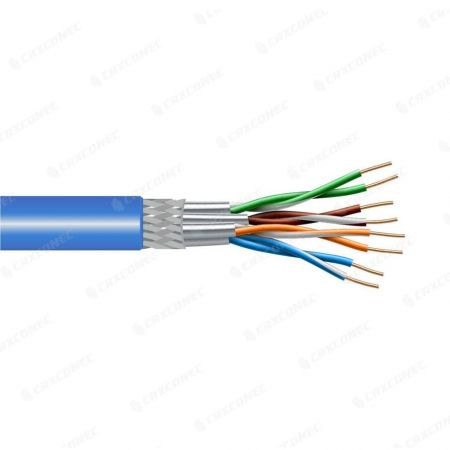
PRIME PVC Jacket Cat6A Ethernet Cable S/FTP
PN.6A-SS-BL-0305-03-05
Solid 100% copper conductor PRIME Cat.6A Shielded Bulk Lan Cable can support up to 10 GBit/s...
Details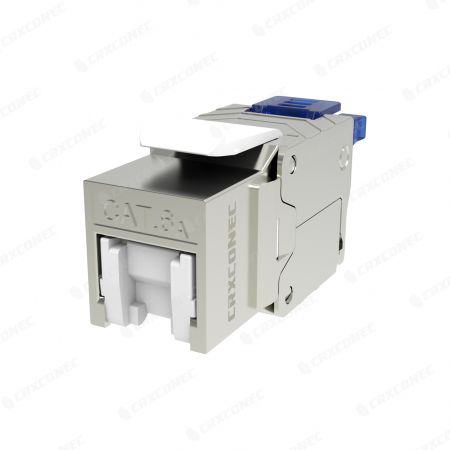
Cat6A STP Linear Cable-Clamper Toolless Keystone Jack With Shutter
PN.CC-04-00246
The Cat6A Shielded Toolless RJ45 Keystone Jack is designed for 23AWG to 26AWG solid Ethernet...
Details
Cat6A 180 Degree UTP Cable-Clamper Toolless Keystone Jack
PN.CC-04-00321
Optimize you cabling installation with our Cat6A Cable Clamper RJ45 Keystone Jack, designed...
Details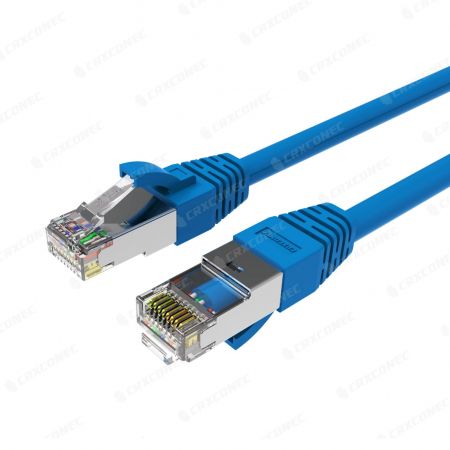
Category6A shielded twisted pair patch cable
PN.6A-SS-13-BL-0100-05
The Category 6A shielded patch cord support 500Mhz bandwidth, 10G transmission speed. Pass...
Details
Cat6A FTP 90 degree Ethernet Patch Panel
PN.CC-07-00023
CAT6A 90-degree fully loaded rackmount patch panel is designed to be used within the 10GX network...
Details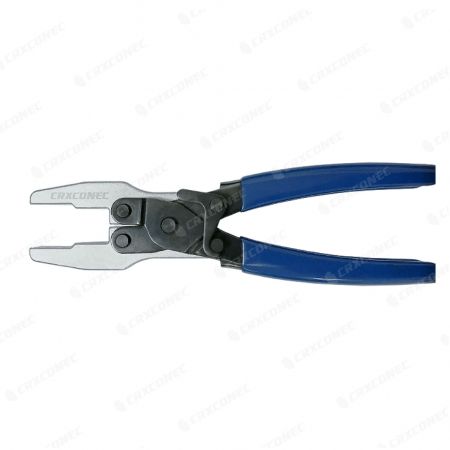
Easy Pressing Tool For Toolless Plug & Keystone Jack
PN.CC-15-00031
The Fast and Easy RJ45 pressing tool can be used for all types of tool free RJ45 plug or keystone...
Details- Related Files
6A SSTP 26AWG RJ45 Patch Cord – ETL Certificate
Certified by ETL: high‑speed and shielding performance.
Download